

31 speakers. Three moderators. Nine discussions over three afternoons.
About the conference
A musician can spend years preparing for a professional career. Studying, practising, performing, attending auditions and competitions. But at some point, someone else has to make a decision. Who gets invited? Who gets recommended? Who receives another opportunity, and who does not?
What are the people making those decisions actually looking for? And how much of that process can musicians see or understand?
These are some of the questions we will discuss at the Sustainable Career Development Conference, organised as part of the Pehlivanian International Conducting Competition 2026.
For three afternoons in Bled, we are bringing together people who work in different parts of classical music: orchestra directors, artistic administrators, festival organisers, artist managers, musicians, educators, representatives of the media, policymakers and specialists in international taxation.
We want to hear how the profession works from their different positions. What happens before a musician receives an opportunity? What happens afterwards? Where do their experiences agree, and where do they see things differently?
Each session is a moderated conversation, with questions and contributions from the audience.
We will also bring musicians’ own experiences into the discussions through selected anonymous written answers from PICC applicants who have given permission for their words to be shared.
Although the conference takes place within a conducting competition, the subjects concern all classical musicians, including singers, instrumentalists, conductors and those who combine several kinds of professional work.
Conference programme
Before a musician is invited, an orchestra or festival has already made decisions about its season. A name then has to reach the people making the decision, and someone has to decide whether that musician fits the opportunity. How does someone get into that conversation, especially if nobody there knows them yet?
Moderator
Samuel Krum
What are people really looking at?
Someone recommends a musician for a first engagement. What happens next? What do the people making the decision still need to find out for themselves? How much does the recommendation matter?

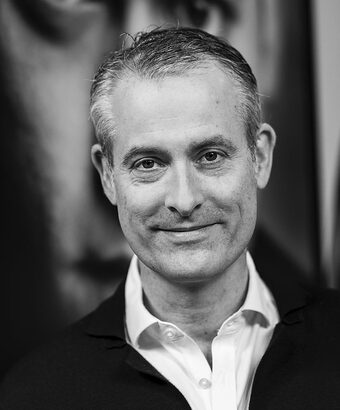

Moderator
Dominik Joelsohn
Entry points: where opportunities come from
Before anyone talks about a particular musician, the season may already be planned. The repertoire, budget, dates and other commitments influence which opportunities can exist. How does an artist find a way into that process?

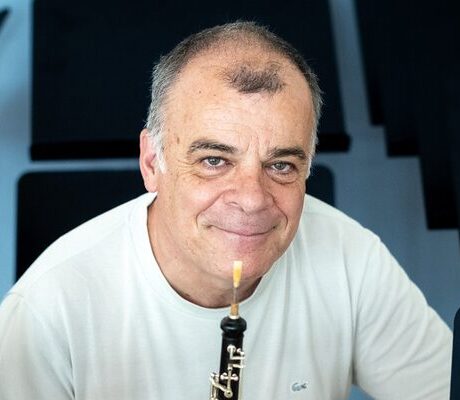
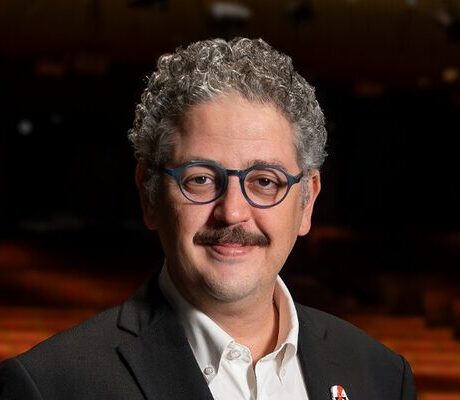
Moderator
Prof. David Dawson
Networks, trust and getting in
Recommendations and personal relationships can open important doors in classical music. But what happens to musicians who are not already part of those networks? How do professional relationships develop, and how can someone new become known and trusted?

Getting an opportunity is one thing. Turning it into further work is another. On Sunday we look at what recognition actually changes, the financial realities of working as a musician and the part institutions can play in a developing career.
Moderator
Samuel Krum
What does recognition actually change?
A competition prize, an important performance or positive media attention may bring a musician into the public eye. But does that recognition lead to further engagements? Who takes an interest afterwards, and what happens when the initial attention fades?


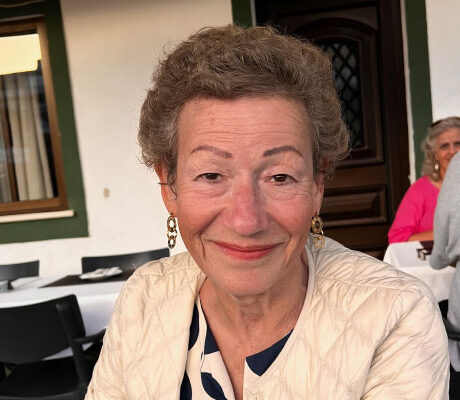
Moderator
Dominik Joelsohn
Who pays before a career pays?
Building a career costs money, often long before a musician earns enough to cover those costs. Who takes the financial risk? And when an international engagement finally comes, how much of the agreed fee does the musician actually receive after taxes and other obligations?


Moderator
Prof. David Dawson
Institutions: when one opportunity leads to another
An orchestra, opera company or festival can offer a musician an important engagement. But what happens when it is over? How much responsibility do institutions have for helping musicians develop professionally, and where does that responsibility end?



Some musicians become well known very quickly. Others build successful careers without much public attention. The final day looks at how musicians become visible, how a professional reputation develops and what helps a career continue over many years.
Moderator
Samuel Krum
How musicians become visible
How does a new artist come to the attention of the people who can offer work? Who recommends musicians, who follows their progress, and what makes an orchestra or a manager take an interest in someone they have not worked with before?


Moderator
Dominik Joelsohn
How reputation is built
Can a review still change a musician’s career? What difference does appearing on radio, television or digital media make? And what role do music schools and institutions play in helping musicians become known beyond their immediate professional circles?

Moderator
Prof. David Dawson
What makes a career last?
A professional career can continue for decades, but the expectations and opportunities do not remain the same. What changes along the way? What can musicians do themselves, and what support is needed from institutions, private partners and public policy?
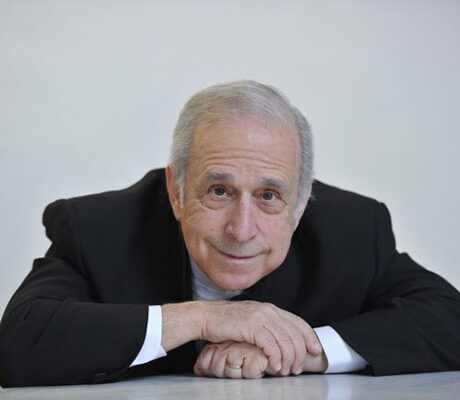
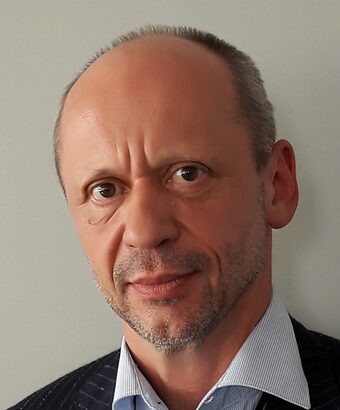
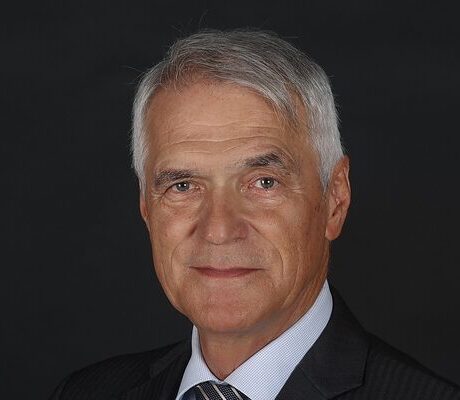
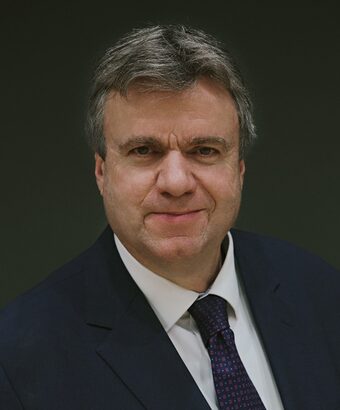
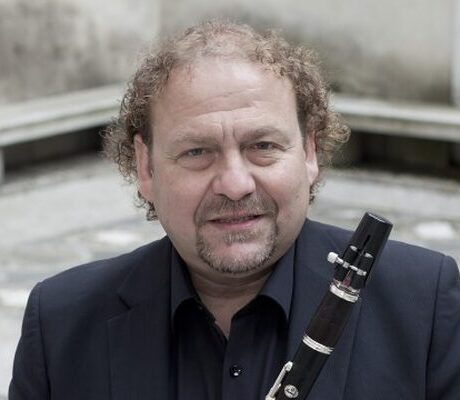
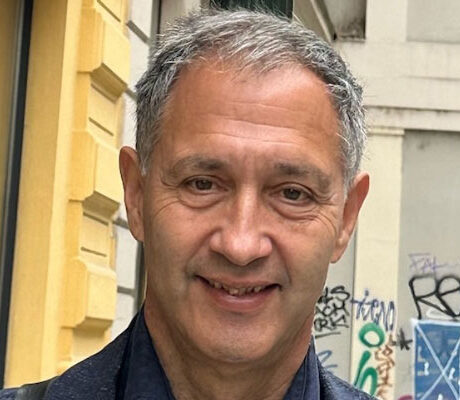
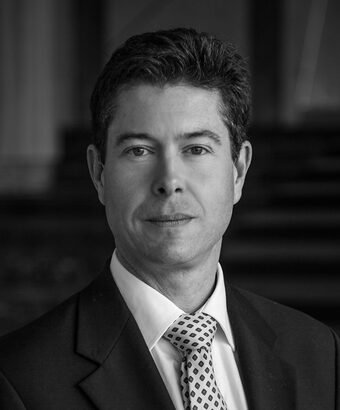
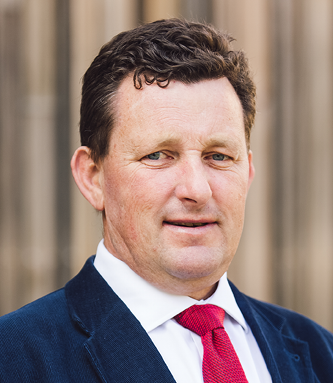
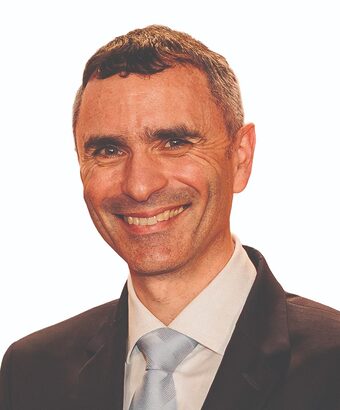
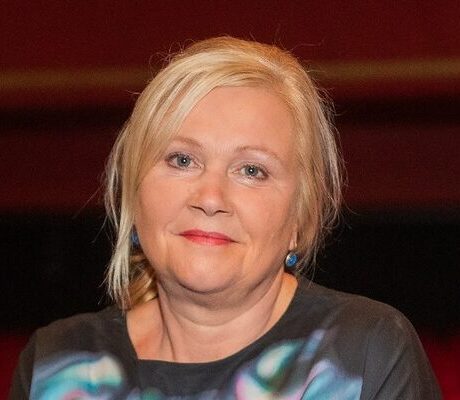
The three moderators



Conference Venue
Watching online
Everyone is welcome to watch the conference online. All nine sessions will be livestreamed free of charge on the official PICC YouTube channel, with no registration required. The recordings will not remain publicly available after the conference.
The meet and greet after each day’s final session is in the hall only and is not streamed.
